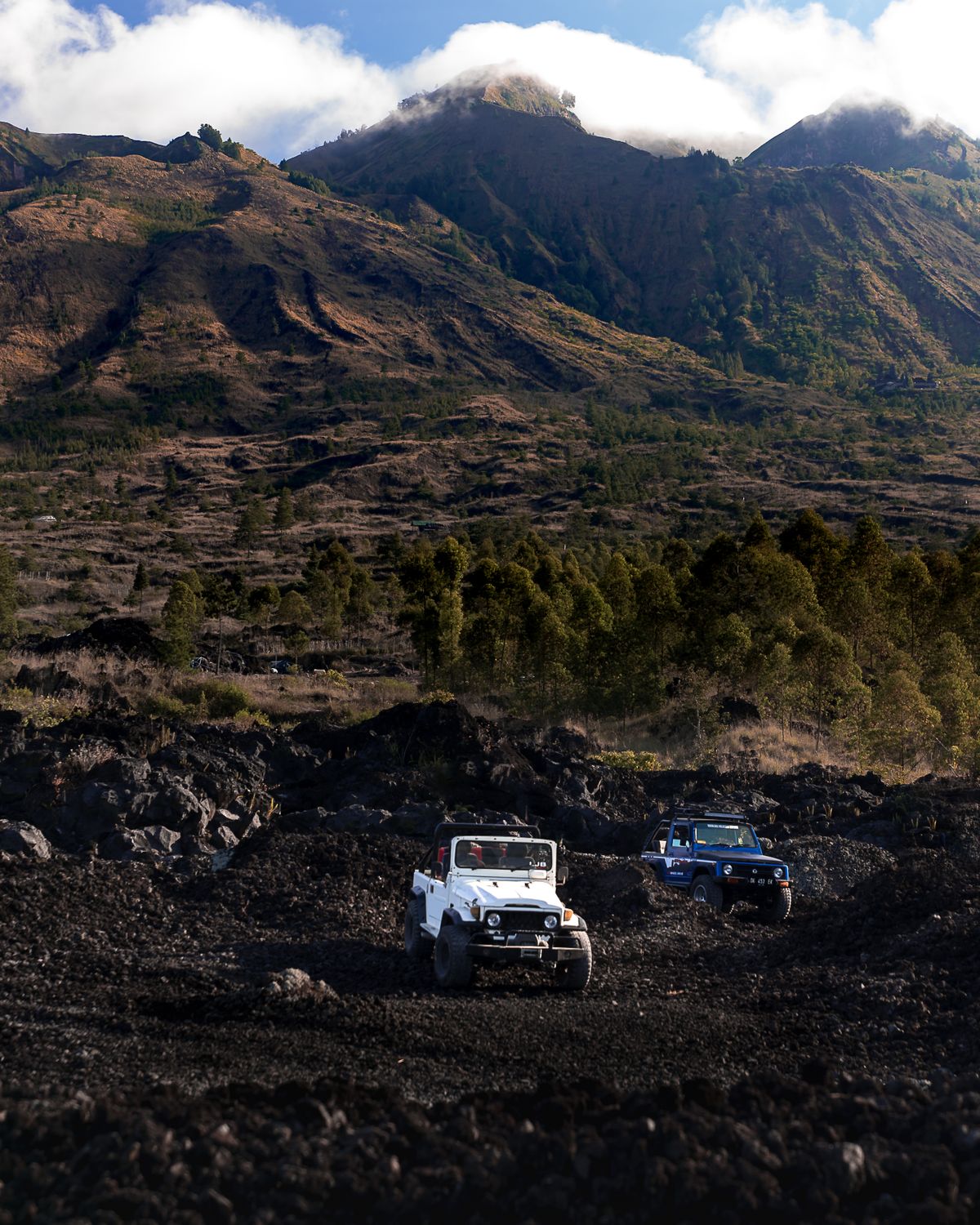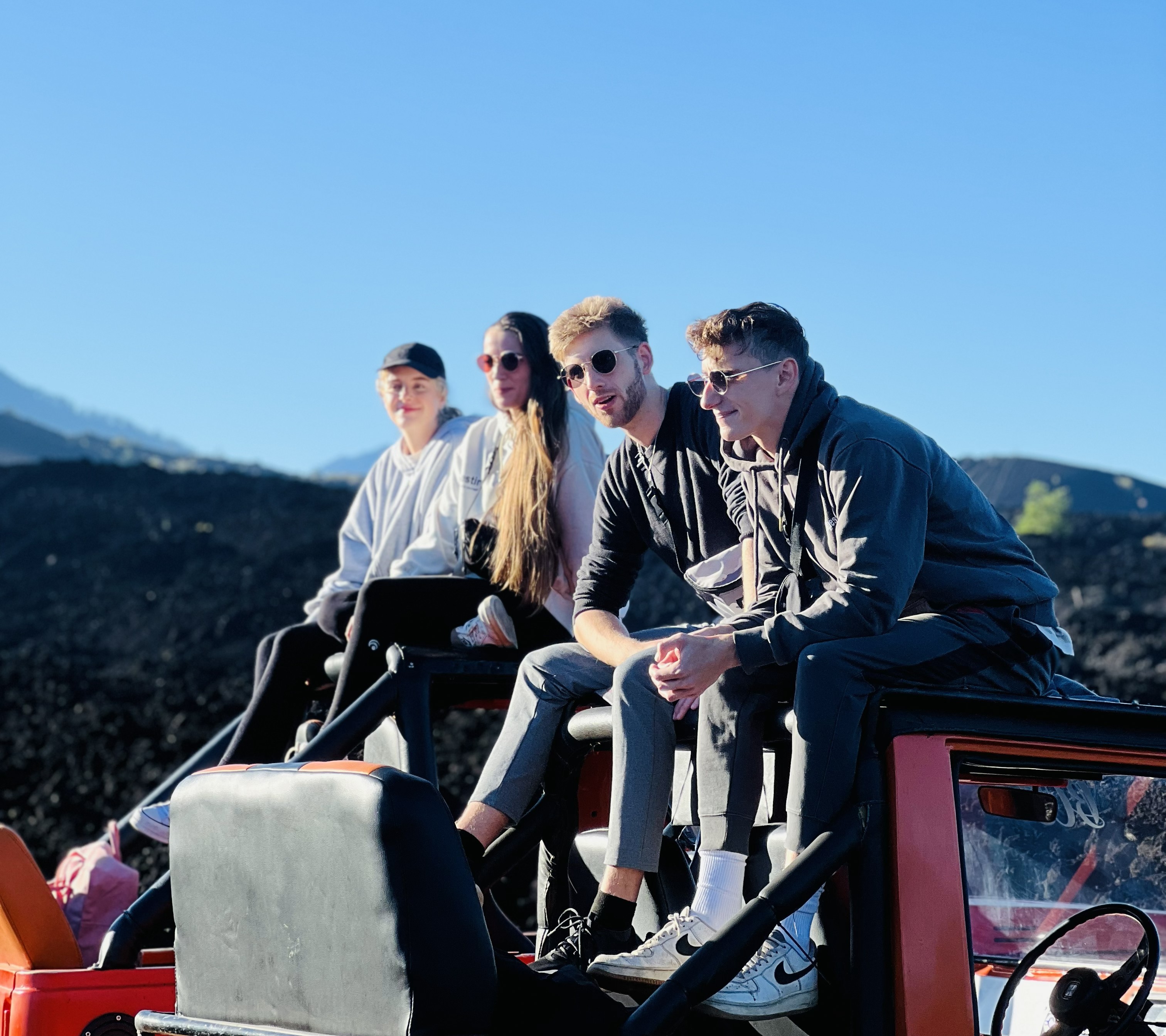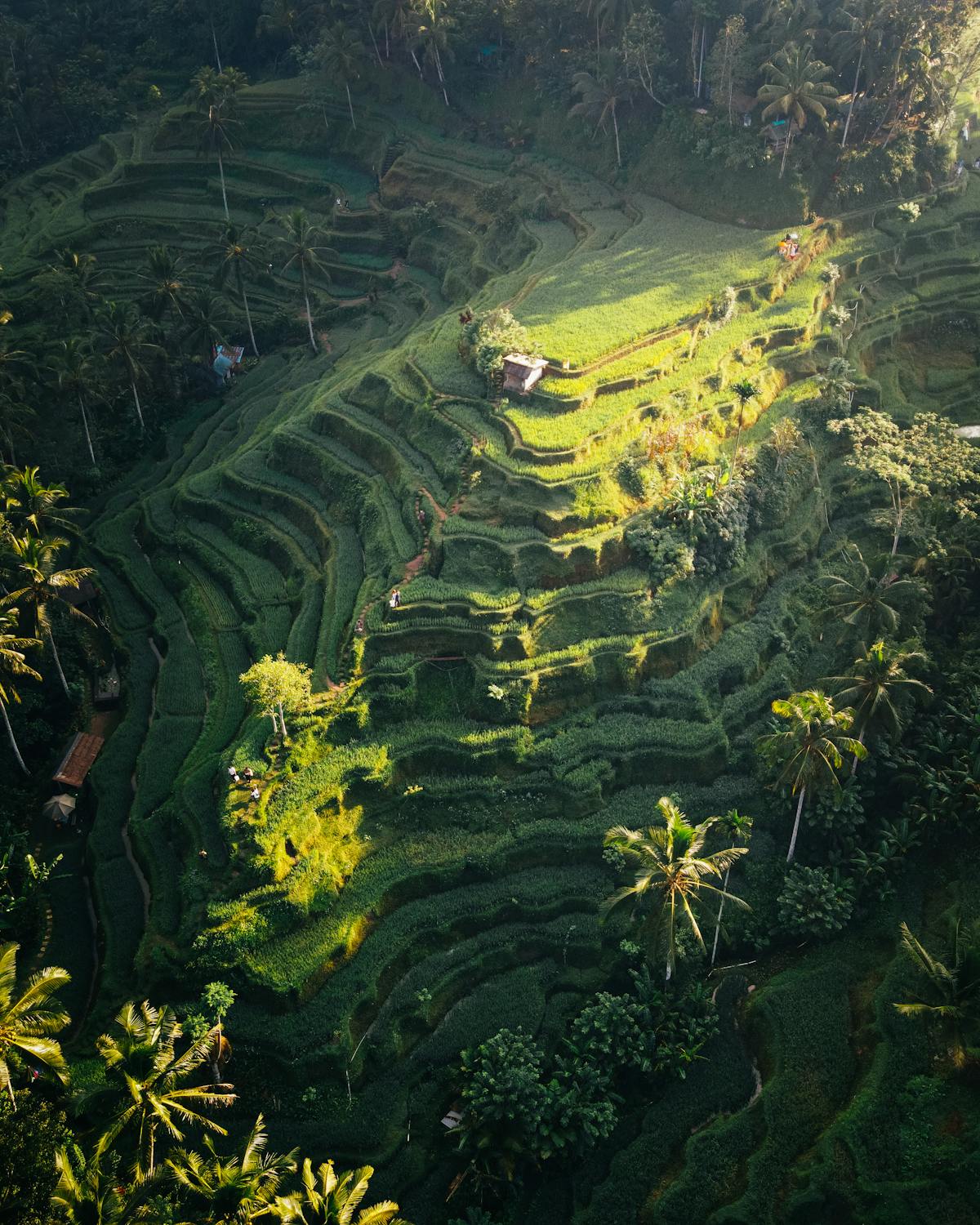
While millions of mainstream tourists flock to the highly commercialized photo-swings of Tegallalang every year, a quieter, pristine, and deeply authentic version of Ubud still thrives just a few kilometers away. Here, narrow dirt tracks wind through massive river valleys, and local farmers manage cascading emerald green terraces using traditional methods passed down through generations. A rugged, custom-built 4x4 vehicle serves as the perfect mechanical key to unlocking these hidden corners that heavy tour buses simply cannot physically reach.
Table of Contents
The Subak System: Sacred Engineering & Cultural Heritage
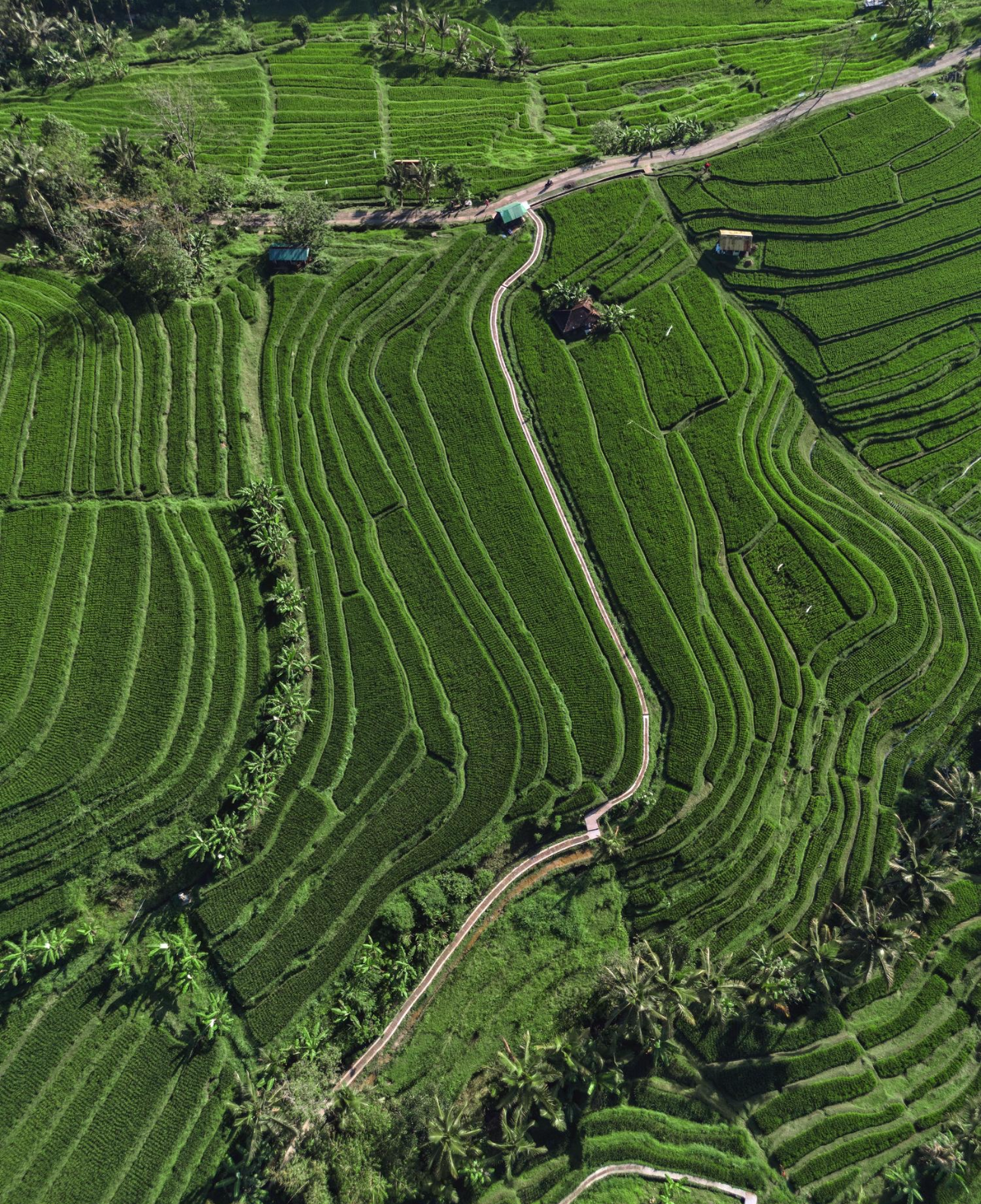
To truly appreciate the visual beauty of Ubud's cascading terraces, one must understand 'Subak'—the traditional Balinese cooperative water management system that has earned UNESCO World Heritage protection. Developed in the 9th century, Subak is far more than just a method of farming; it is a physical, living manifestation of 'Tri Hita Karana', a core Balinese Hindu philosophical concept that dictates the harmonious relationship between the spirit world (Parahyangan), the human community (Pawongan), and the natural environment (Palemahan).
As our 4x4 vehicle cruises past stone water temples and intricately hand-carved canals, you are looking at a masterfully engineered communal ecosystem. Water flows from mountain lakes down through volcanic ridges, filtered by water temples, and shared equally among thousands of individual farmers. This democratic distribution ensures that no single field goes dry, creating the endless, uniform sea of emerald green that makes Bali famous worldwide.
The Mud & Might: Navigating the Petanu River Ridge
Our specialized off-road trail completely abandons the paved asphalt main roads north of Ubud, diving onto rugged stone-laid agricultural pathways and muddy single tracks. Our heavy-duty 4x4 suspension gets put to work as we cross historic bamboo bridges, climb steep clay ridges overlooking deep ravines, and drive directly alongside active, vibrant family plantations growing organic cacao, robusta coffee, and fresh tropical durian.
The thrill of the ride is perfectly balanced by the serene scenery. One moment you are holding on tight as the jeep crawls through a challenging muddy rut, and the next moment the jungle opens up to reveal a secret, completely empty valley where the only signs of civilization are a few distant wooden farmer huts and ancient stone shrines covered in green moss.
Authentic Encounters: Inside the Hidden Villages
One of the greatest highlights of venturing off the beaten path is the opportunity to witness authentic, daily rural life completely unaffected by mass tourism. Along our 4x4 route, we frequently stop at small, remote hamlets where local elders still hand-weave intricate coconut-leaf offerings, and water buffaloes are occasionally seen working the muddy soil. Here, you are a welcomed guest rather than just another anonymous tourist with a camera.
We often take a short break to walk directly onto the muddy dikes (subak paths) to chat with local farmers. Depending on the agricultural season, you might witness the synchronized collective planting of young neon-green rice seedlings, or watch older generations expertly threshing golden stalks of mature rice during harvest season—all against a quiet backdrop undisturbed by souvenir shops or commercial traffic.
Responsible Travel: Supporting the Guardians of the Land
Exploring fragile rural landscapes requires deep cultural respect and active economic responsibility. As real estate development rapidly expands across modern Bali, traditional rice farmers face immense financial pressure to sell their ancestral lands to developers. By choosing low-impact, curated 4x4 cultural expeditions, a significant portion of your booking directly supports the local subak cooperatives.
Furthermore, we make it a strict point to only patronize tiny, family-owned roadside shops (warungs) along the route, ensuring that your travel capital directly flows into the pockets of the local rural families who act as the ultimate guardians of Ubud's historical landscape.
format_quote“The real heart and soul of Ubud isn't found in the trendy boutique cafes or busy souvenir markets—it is located deep past the last paved road, where the only sound is the wind rustling through the rice fields and fresh mountain water rushing through stone canals.”
Expedition Logistics: What to Wear & Best Timing
Because our open-air 4x4 vehicles head directly into operating agricultural zones, proper preparation ensures a smooth and highly enjoyable day out in the field. Keep the following logistics in mind when scheduling your expedition:
- check_circleWear comfortable, breathable clothing that you don't mind getting a little dusty or muddy (especially if traveling during the rainy season).
- check_circlePack a pair of sturdy sneakers or rugged walking sandals with excellent grip for strolling along the narrow, slick mud dikes between the fields.
- check_circleBring high-SPF eco-friendly sunscreen and a wide-brimmed hat. The open valleys offer incredible views but very little canopy shade from the midday sun.
- check_circleAlways carry a natural, non-toxic insect repellent, as the stagnant water in the irrigated fields naturally attracts mountain mosquitoes.
- check_circleOpt for an early morning departure (around 07:30 AM). This timing allows you to witness the magical morning mist rising from the river valleys and catches the farmers at their most active before the tropical afternoon heat sets in.