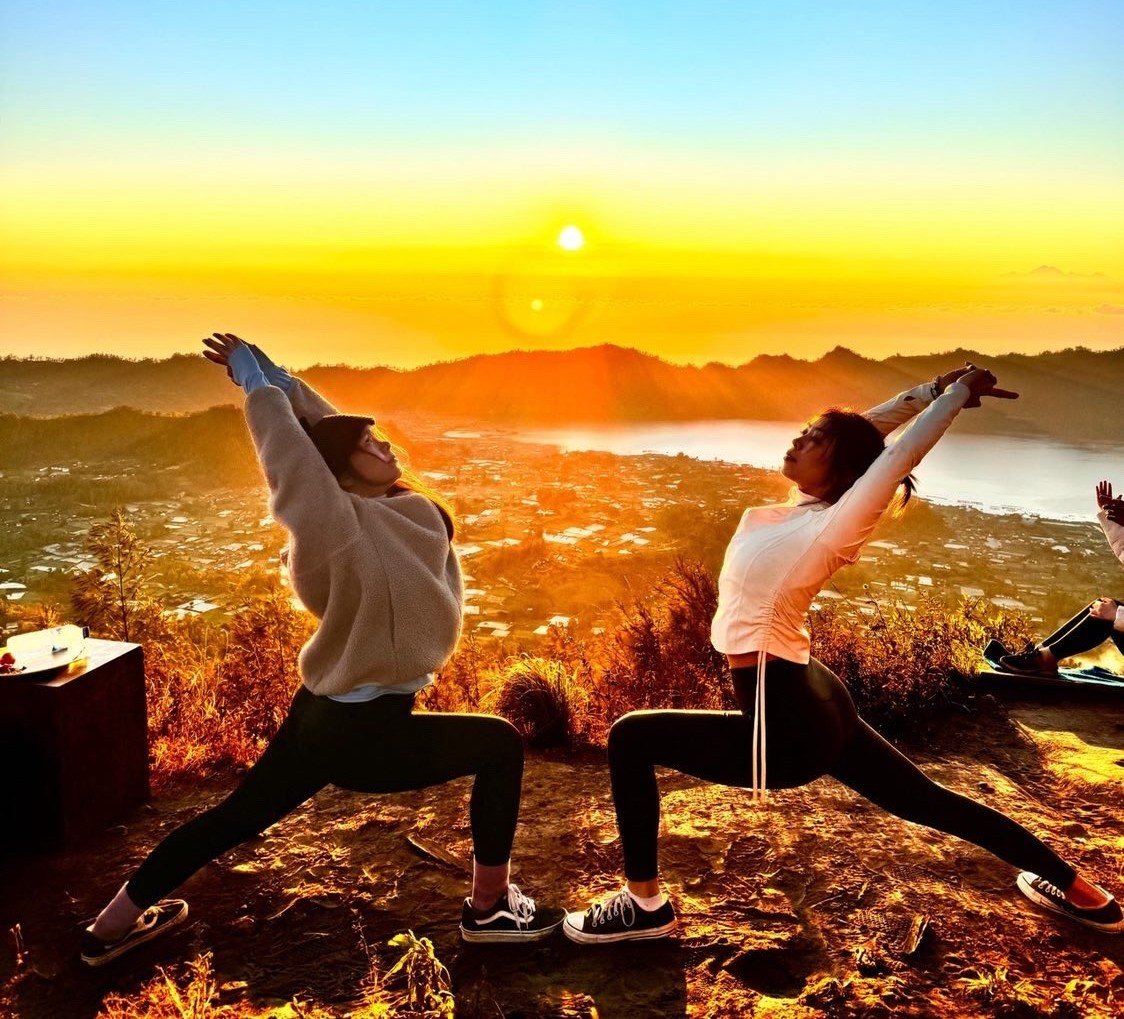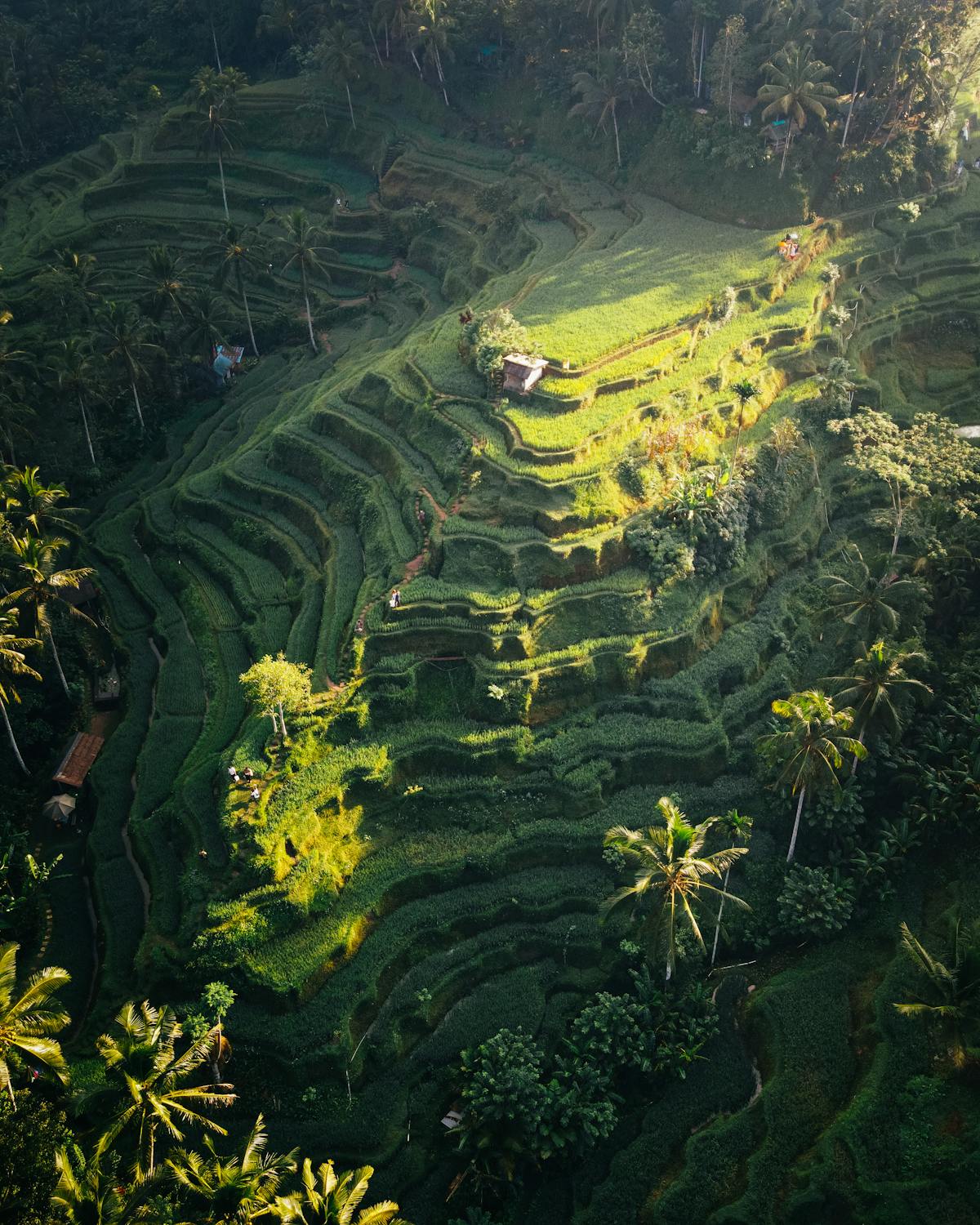
Climbing an active volcano under a canopy of bright stars to witness dawn over the horizon is an unforgettable, life-changing experience. However, steep high-altitude terrains, rapidly shifting microclimates, and exhausting pre-dawn start times catch many unprepared hikers off guard every single year. Proper physical preparation, smart gear selection, and an understanding of mountain safety are vital to ensuring your journey up Bali's sacred peaks is memorable for all the right reasons.
Table of Contents
- 1. Honest Physical Assessment & Conditioning
- 2. The Strict Golden Rule of Hiking Footwear
- 3. Mastering the Mountain Layering System
- 4. Ditch the Phone: Use Hands-Free Lighting
- 5. High-Altitude Hydration and Nutrition Strategy
- 6. Never Trek Alone: Hire a Certified Local Guide
- 7. Respecting Sacred and Spiritual Ground
- 8. Monitoring Flash Weather Patterns
- 9. Maintaining Strict Boundaries with Macaque Wildlife
- 10. Practicing Zero-Waste Leave No Trace Principles
1. Honest Physical Assessment & Conditioning
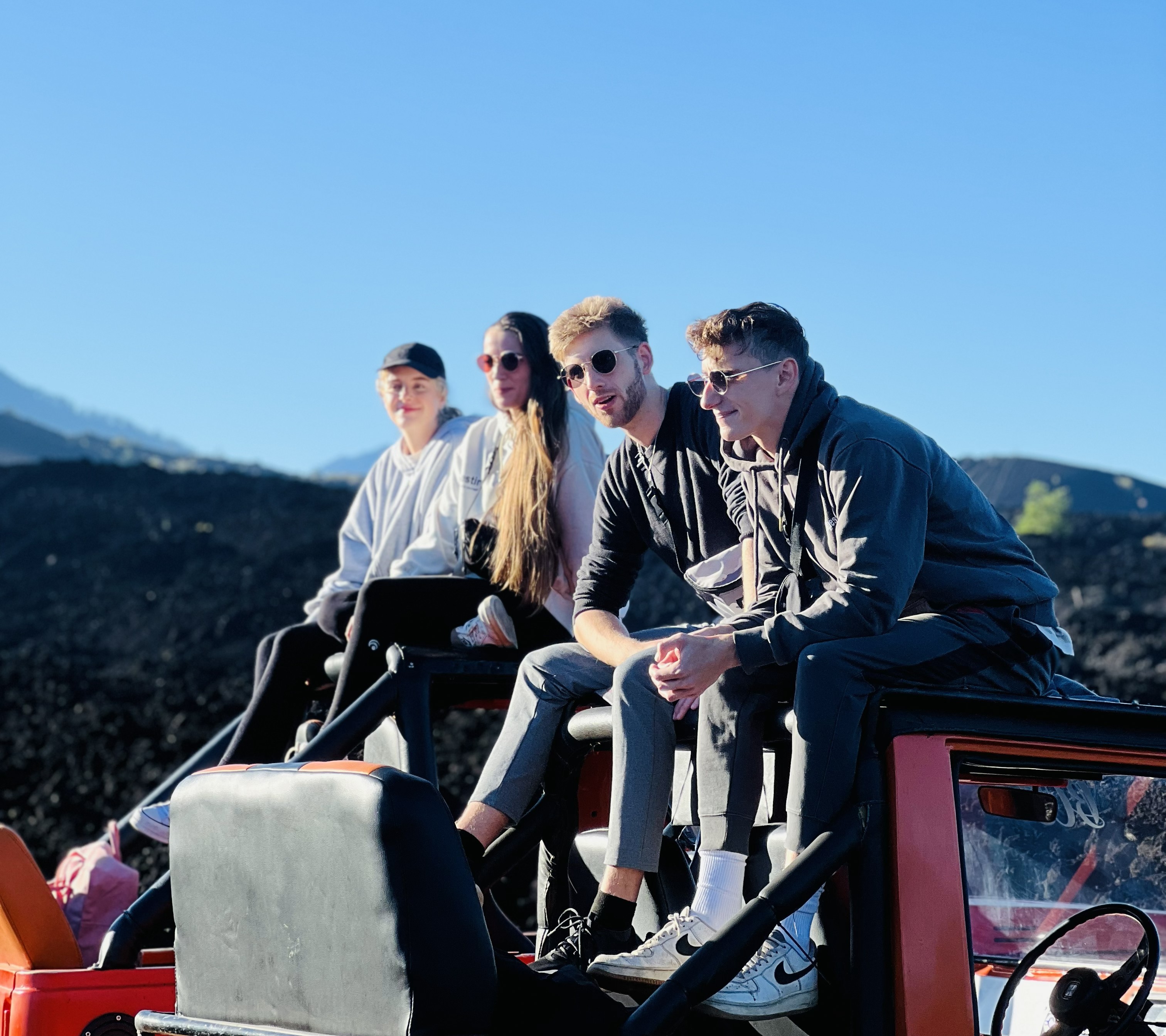
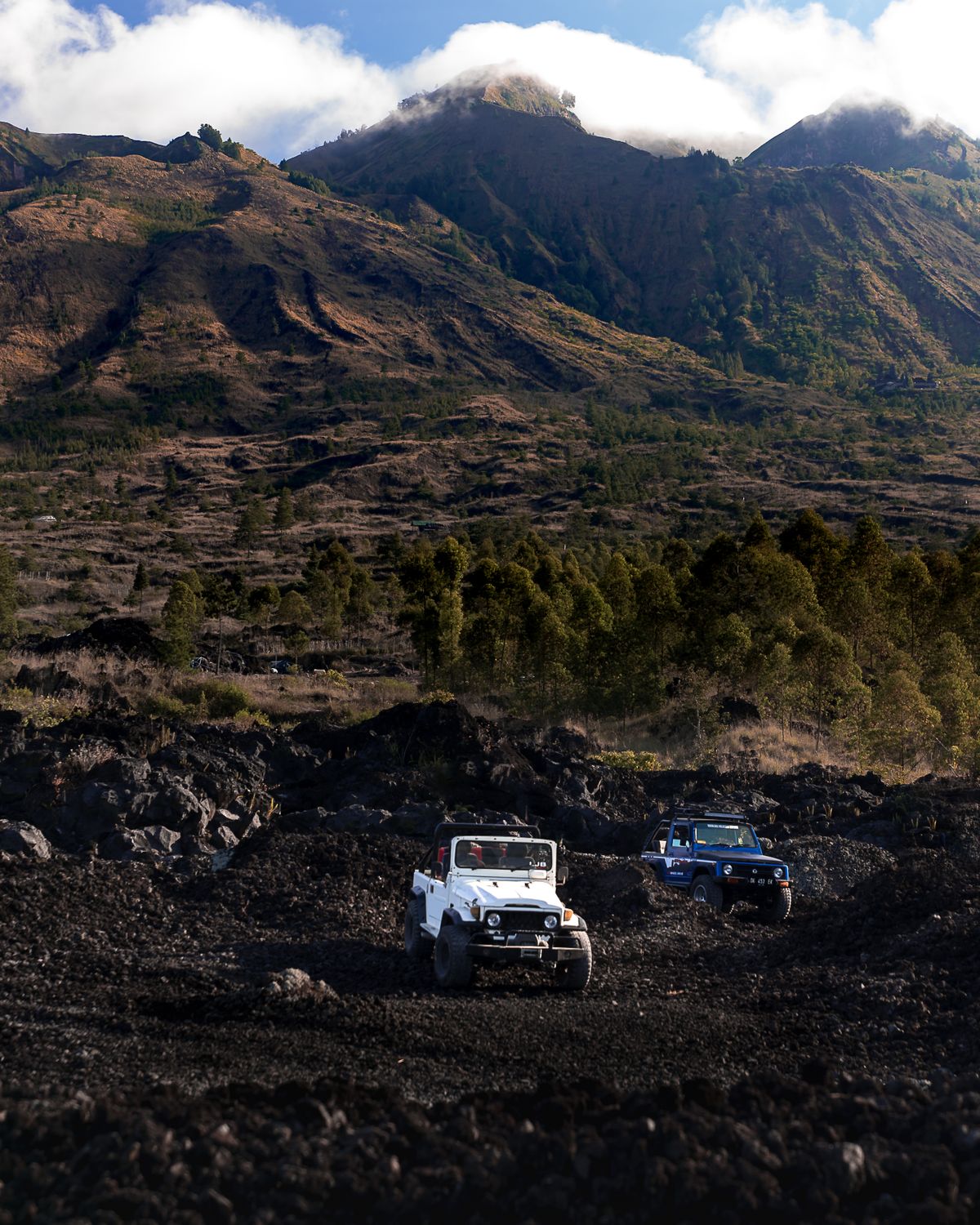
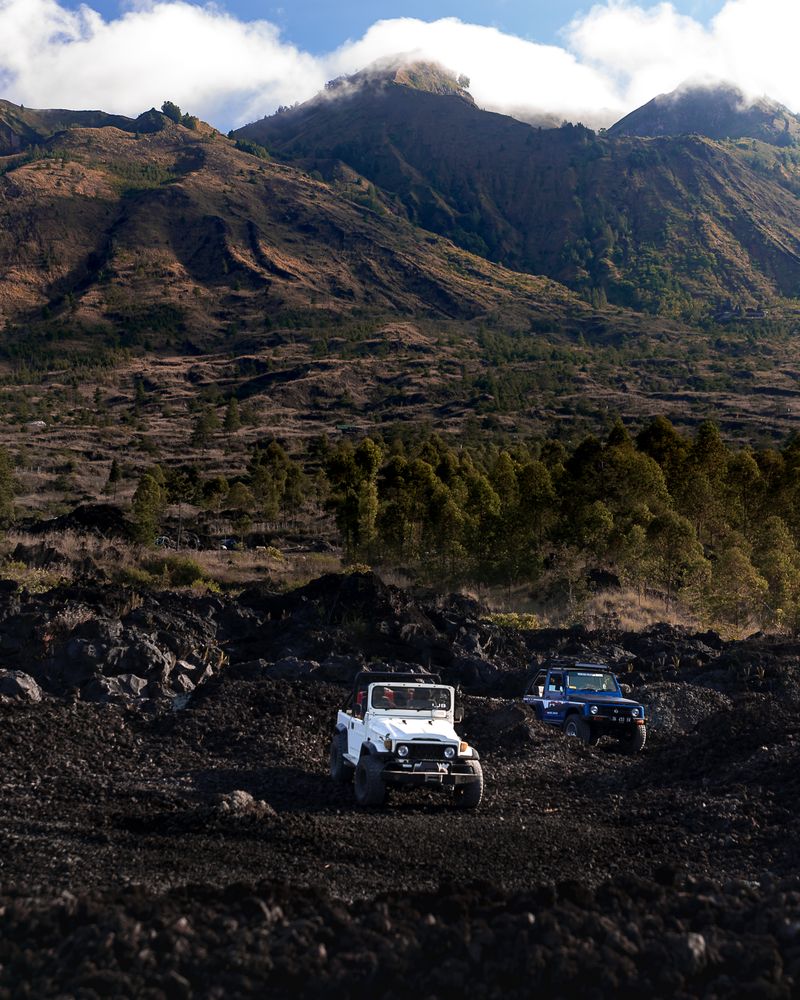
While Mount Batur is often classified as a 'moderate' hike, the steep ascent still demands a baseline level of cardiovascular fitness. You will be climbing over 700 vertical meters in pitch-black conditions, navigating loose volcanic ash that acts like soft beach sand—causing your feet to slip backward slightly with every step. If you suffer from underlying knee injuries, severe vertigo, or acute asthma, a continuous incline can trigger sudden medical issues. Be honest with your physical limits; if walking up steep stairs for 45 minutes straight sounds impossible, consider taking a 4x4 jeep tour option instead to safely enjoy the exact same views.
2. The Strict Golden Rule of Hiking Footwear
Wearing incorrect footwear is the number one cause of accidents, slips, and twisted ankles on Bali's volcanic trails. Do not attempt to hike in running shoes with smooth soles, gym trainers, or (worst of all) lifestyle sandals. The upper ridges of Mount Batur and Mount Agung consist of sharp, brittle volcanic basalt rock mixed with rolling gravel. You need shoes with deep lugged rubber outsoles that can bite into loose debris. Ensure your footwear is broken in weeks before the trek to avoid painful, fluid-filled blisters halfway up the mountain.
3. Mastering the Mountain Layering System
Many travelers make the mistake of dressing for Bali's tropical coastal climate. At 1,717 meters above sea level, pre-dawn temperatures at the summit routinely drop between 12°C to 16°C, and heavy winds can cause a dramatic drop in wind chill. The key to staying comfortable is a three-layer system: a moisture-wicking base layer to draw sweat away from your skin during the intense climb, a lightweight insulating middle layer (like a fleece) to retain body heat, and a windproof or waterproof outer shell jacket to protect you from the freezing elements while waiting for the sun to rise.
4. Ditch the Phone: Use Hands-Free Lighting
Attempting to guide yourself up a steep, rocky trail while holding a smartphone flashlight in one hand is incredibly hazardous. If you stumble, you will instinctively drop the phone or fail to break your fall safely. A hands-free LED headlamp is mandatory gear. This allows you to look directly at your foot placements while keeping both hands completely free to balance, scramble over boulders, or utilize specialized trekking poles.
5. High-Altitude Hydration and Nutrition Strategy
Sweating heavily in cold, dry mountain air accelerates dehydration much faster than you realize. Pack a absolute minimum of 1.5 to 2 liters of fresh drinking water per person. Avoid chugging water in large quantities; instead, take small, frequent sips every 15 minutes to keep your muscles functioning efficiently. Additionally, pack high-glycemic energy snacks like protein bars, dried bananas, or dark chocolate to quickly replenish blood glucose levels during short rest breaks.
6. Never Trek Alone: Hire a Certified Local Guide
The trails winding around Bali's active calderas are highly complex, featuring numerous unmarked agricultural offshoots, steep cliff edges, and active geothermal steam vents. Attempting to navigate these paths without a local guide is dangerous and heavily frowned upon by the local communities. Certified local guides from the Mount Batur Trekking Association undergo extensive safety training, carry emergency communication gear, and know exactly how to handle sudden mountain emergencies or wildlife encounters.
7. Respecting Sacred and Spiritual Ground
In Balinese Hinduism, mountains are revered as 'Maha Meru'—the physical earthly homes of the gods and the ultimate spiritual anchors of the entire island. Because these peaks are deeply sacred, hikers must strictly follow cultural etiquette. Never step onto or stand on top of stone sacrificial altars (pelinggih), do not shout obscenities, and never point your feet directly at religious shrines. If you notice small woven palm-leaf offerings (canang sari) on the trail, carefully step around them out of respect.
8. Monitoring Flash Weather Patterns
High-altitude microclimates create their own unpredictable weather systems. A perfectly clear, starry sky at your resort in Ubud can easily turn into a blinding, cold rainstorm by the time you reach Kintamani. Always check the active weather radars and cloud density maps with your tour operator before departing. If your guide calls off a summit push due to incoming lightning or heavy monsoonal winds, listen to them unconditionally—getting trapped on an open, metallic ridge during an electrical storm is highly fatal.
9. Maintaining Strict Boundaries with Macaque Wildlife
The main summit crater of Mount Batur is home to several large troops of wild Long-tailed Macaque monkeys. Over the years, these animals have become heavily habituated to human presence and associate backpacks with food. To prevent aggressive behavior or bites, maintain strict boundaries: never tease them with snacks, avoid direct eye contact (which they interpret as a declaration of aggression), and keep your bags zipped tight. If a monkey jumps on your pack, stay calm and do not scream—simply walk slowly until it hops off.
format_quote“Wild animals are completely unpredictable. The macaques at the summit look cute in photos, but they are highly protective of their troops. Respecting their space ensures a safe, bite-free morning for everyone.”
10. Practicing Zero-Waste Leave No Trace Principles
With thousands of global adventurers taking to the volcanic trails every single month, plastic pollution has become a critical threat to Bali's pristine mountain ecosystems. Every single piece of trash you pack up the mountain—including plastic water bottles, snack wrappers, wet wipes, and fruit peels—must be packed right back down in your daypack. Volcanic soil is highly sensitive, and leaving artificial garbage behind permanently damages the sacred landscape. Leave nothing but footprints, take nothing but photos.